
Open Office Design: 4 Strategies to Boost Collaboration and Creativity
Modern open office design is no longer just about removing walls for a sense of openness - it’s about finding the right balance between connection and privacy. The goal is to create a space where employees can focus deeply while staying inspired and engaged. From spatial layout to material selection, every design detail plays a role in enhancing collaboration, creativity, and productivity. Here are four key strategies to create a human-centered, inspiring workplace through thoughtful interior design.
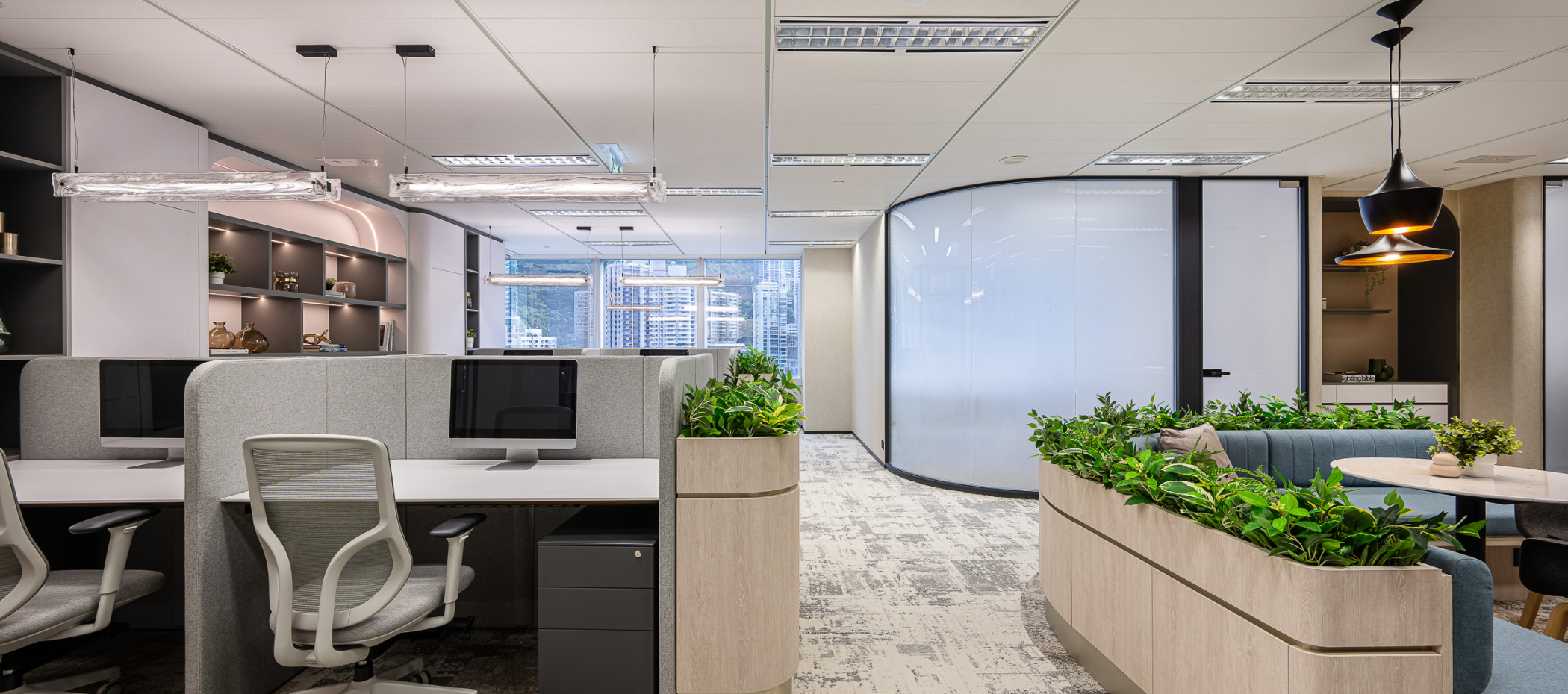
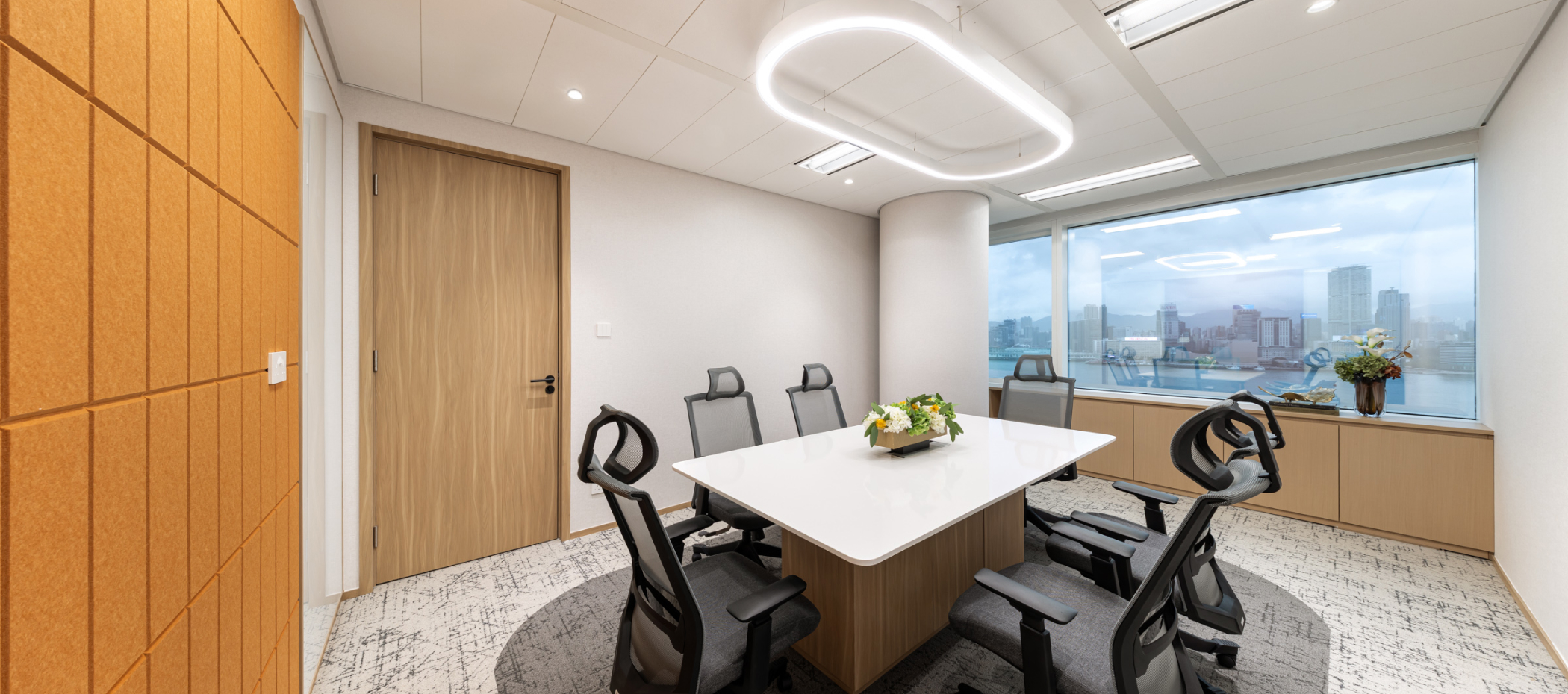
An open office doesn’t mean every area must be exposed. Clear zoning between “active” and “quiet” areas helps different functions work in harmony. Use variations in flooring, lighting, and furniture height to define zones. Collaboration areas can feature large tables, movable chairs, and writable walls for brainstorming, while quiet zones benefit from acoustic panels or soft materials to minimize noise and maintain focus.
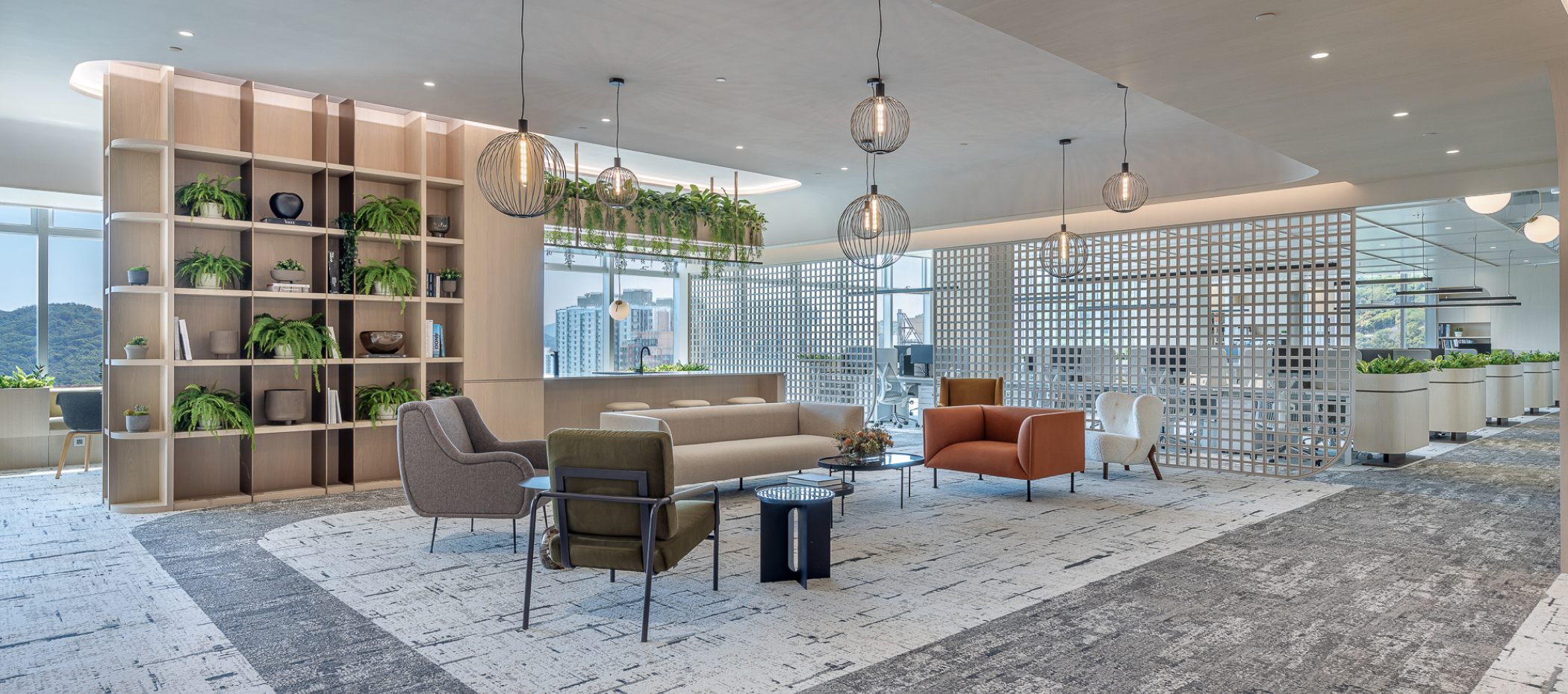
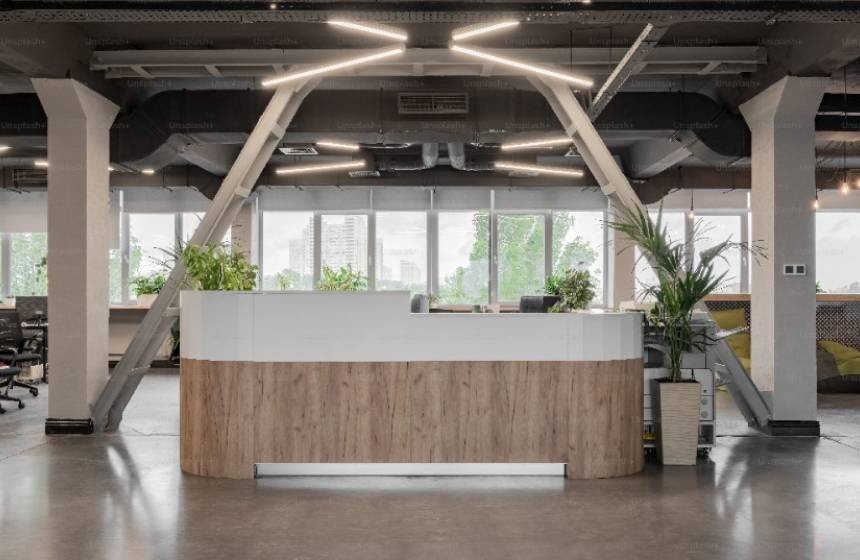
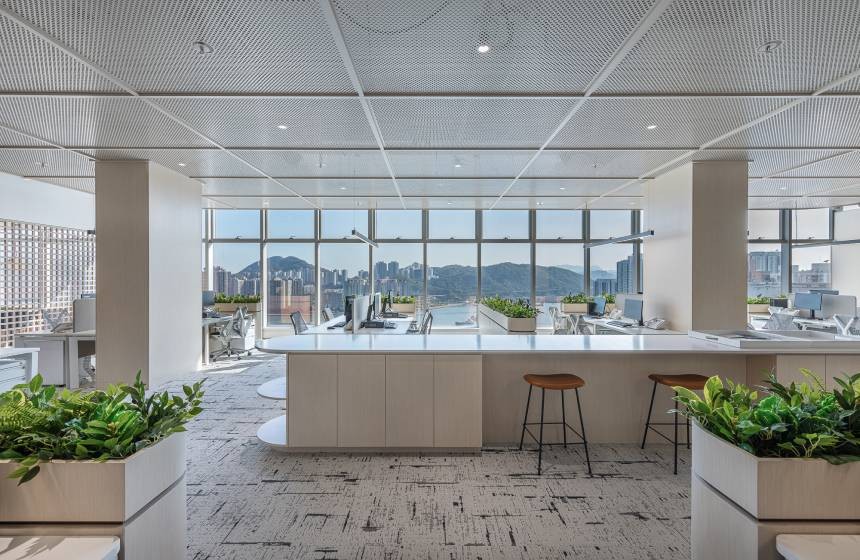
Natural light and greenery are proven to improve focus and well-being. Position workstations near windows to maximize daylight, and incorporate plants on desks, hanging installations, or feature walls to reduce stress and purify the air. This balance of nature and light fosters a positive and energizing work environment.
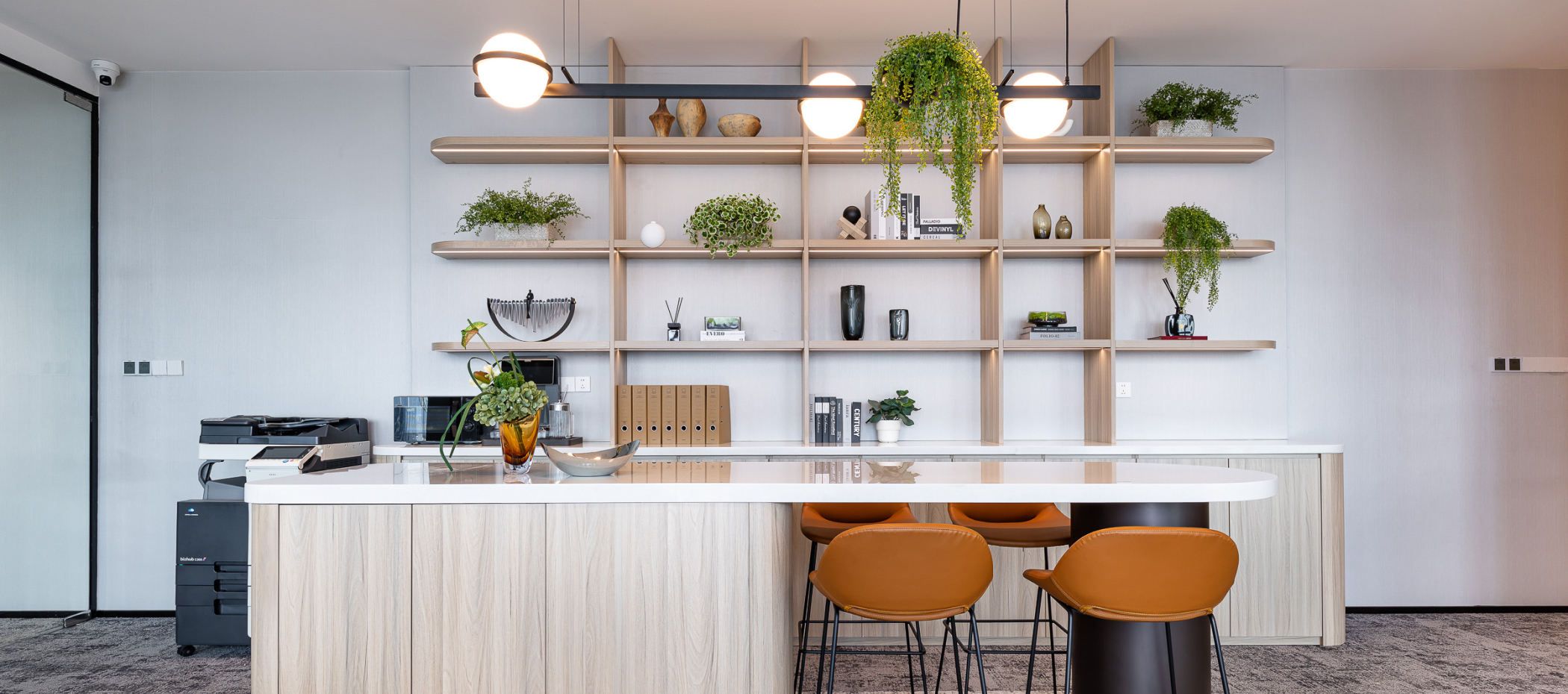
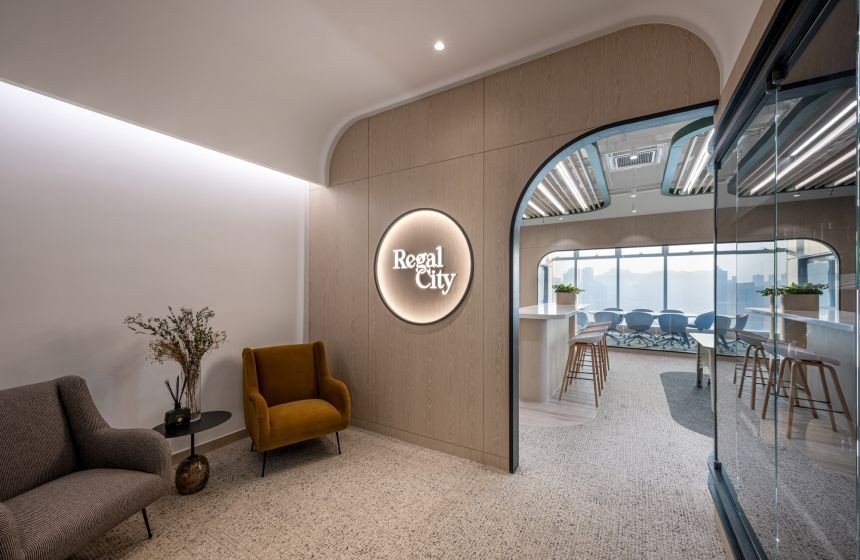
Workplaces today are not only about productivity - they’re also about connection. Lounge areas, bar counters, and coffee corners encourage spontaneous conversations and idea sharing. These relaxed, non-formal spaces often become the birthplace of creativity, nurturing collaboration beyond the meeting room.
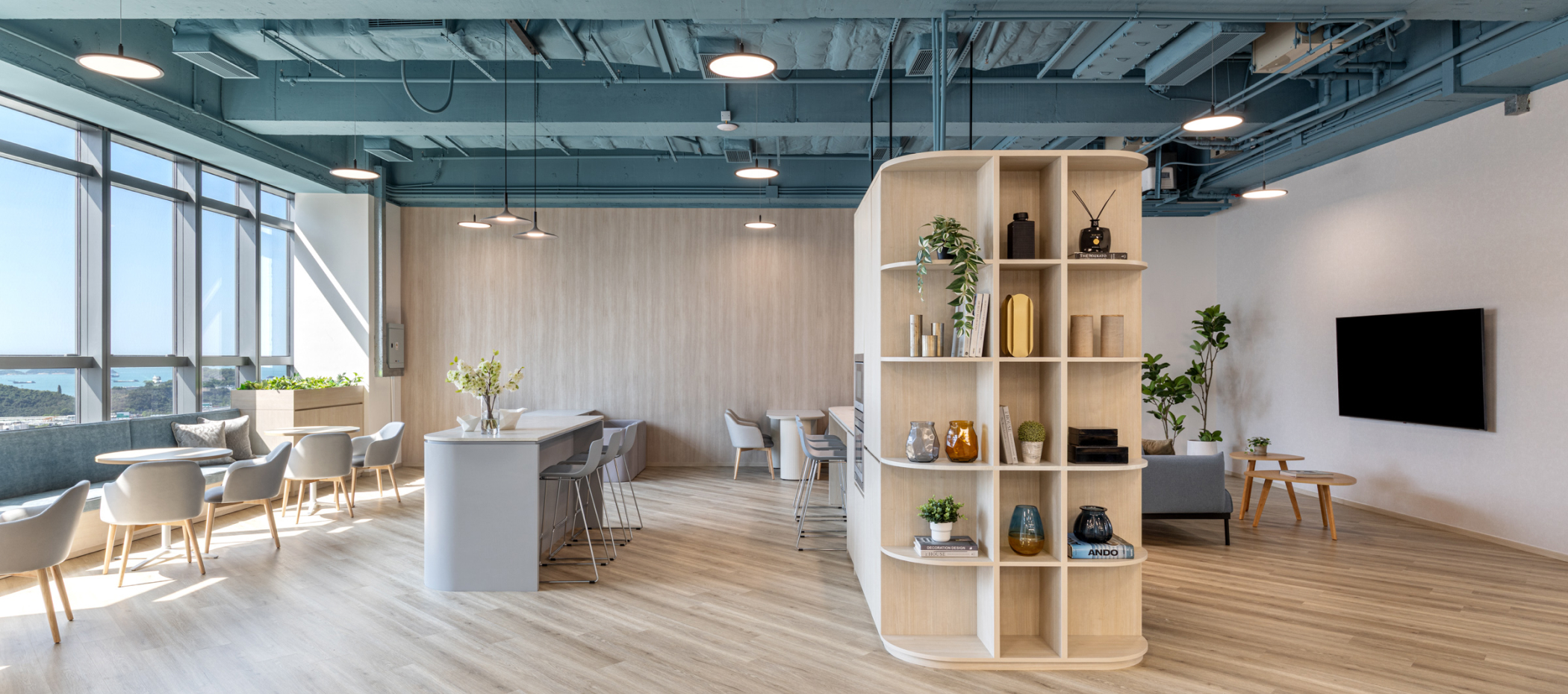
Noise is the biggest challenge in open offices. Integrating acoustic panels, sound-absorbing ceilings, or white noise systems helps maintain a calm and focused atmosphere. By reducing distractions without closing off the space, teams can collaborate freely while staying productive and comfortable.