
2026 Office Design: Flexible Spaces as the New Norm
As hybrid work continues to gain traction, the role of the office is undergoing a fundamental shift. By 2026, office interior design and space planning are no longer defined by desk count or spatial density alone, but by the strategic integration of flexible layouts and multi-functional space design. Flexible spaces have become the new norm, with open yet well-structured interior planning that responds to evolving business operations, team collaboration, and employee experience, shaping a more forward-looking, people-centric workplace environment through thoughtful interior and workspace design.
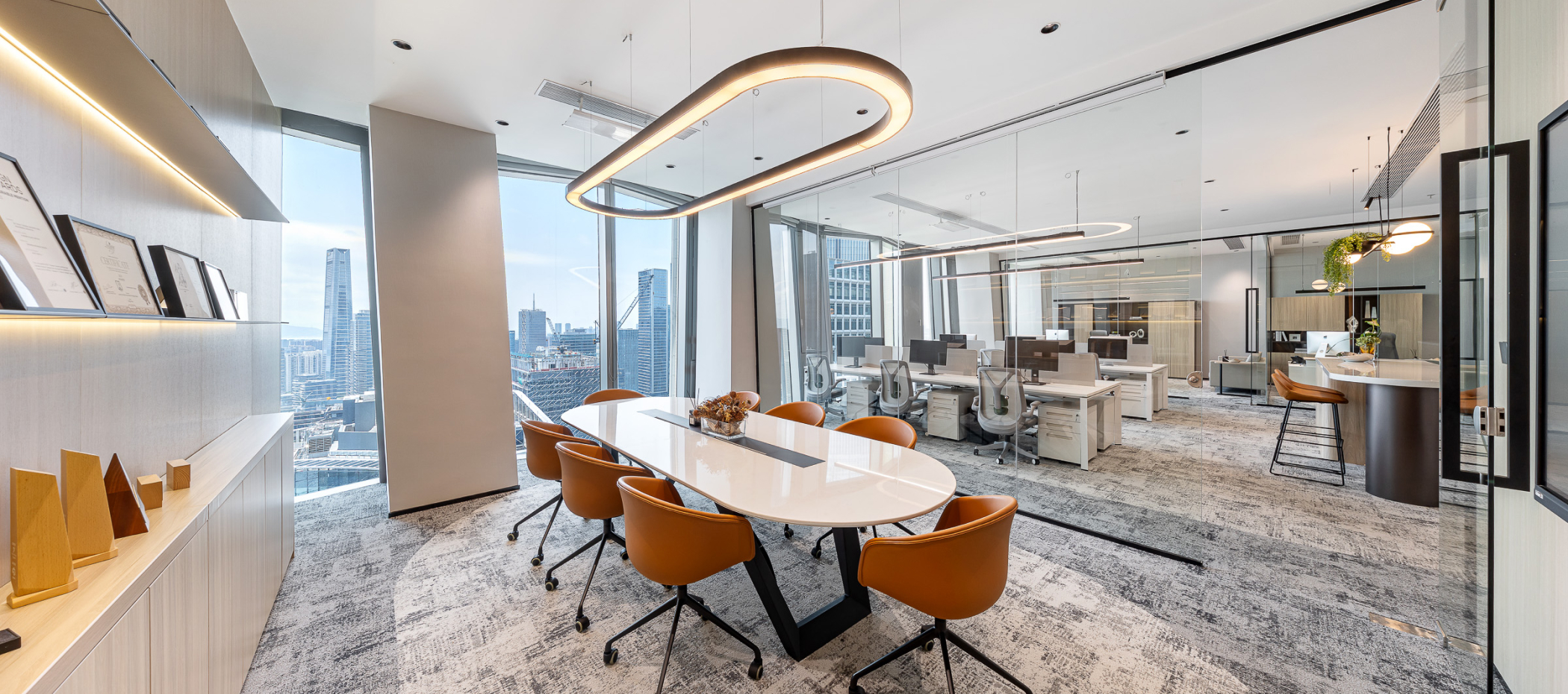
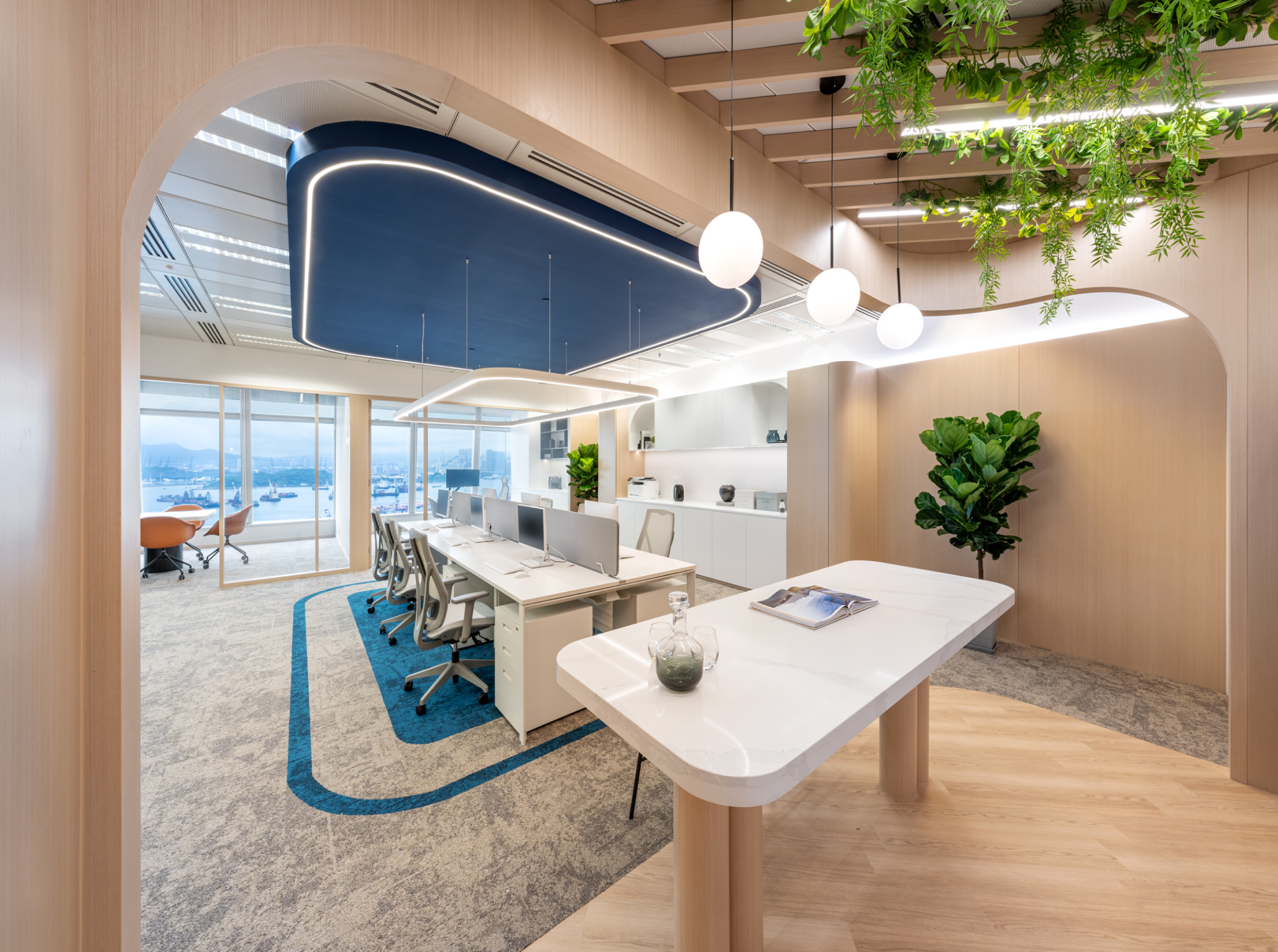
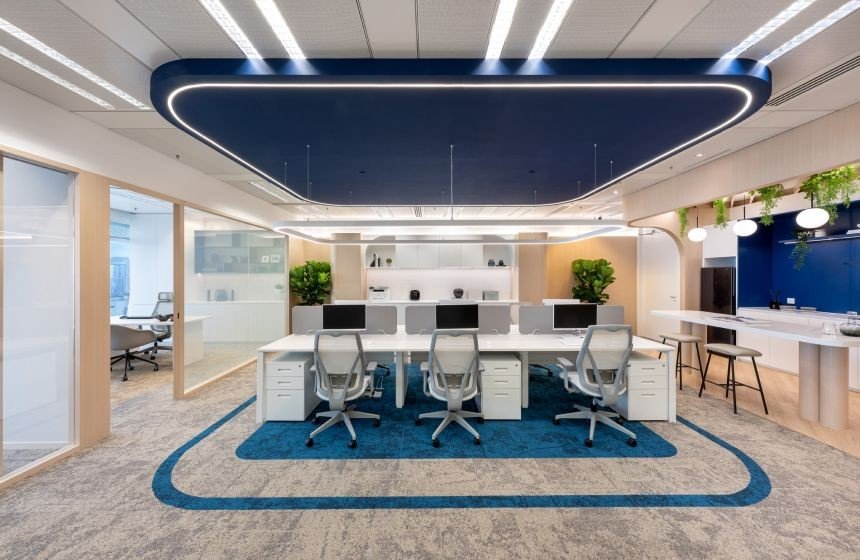
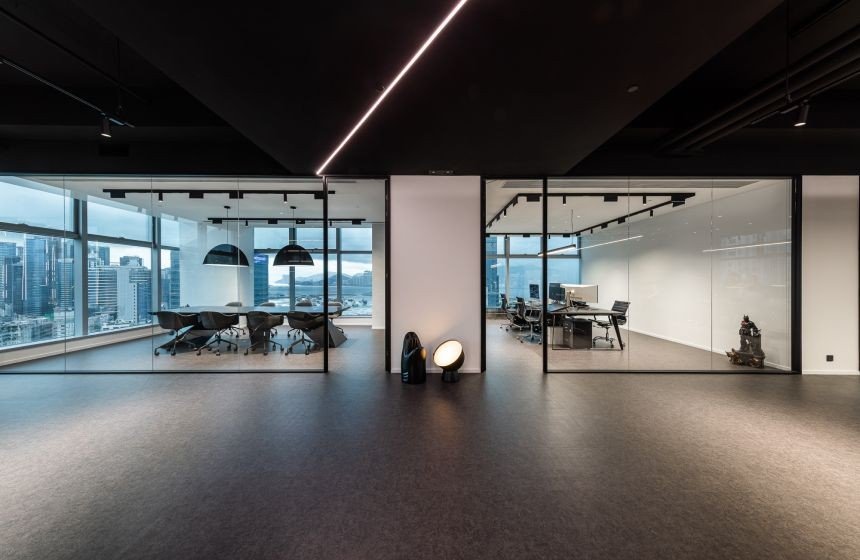
As hybrid work becomes the new normal, office interior design is shifting away from fixed desk arrangements toward more flexible, open-plan space design concepts. Through open layouts, design teams can effectively accommodate diverse work modes - from focused individual tasks and productivity-driven work to moments of team collaboration. Even without physical partitions, office spaces can be clearly zoned through thoughtful design strategies such as carpet transitions, variations in ceiling height, and layered lighting. They define functional areas while maintaining visual order and a cohesive design language. Combined with clear circulation planning, employees can enjoy a smooth and intuitive experience within an open environment, ultimately enhancing work efficiency and space utilization.
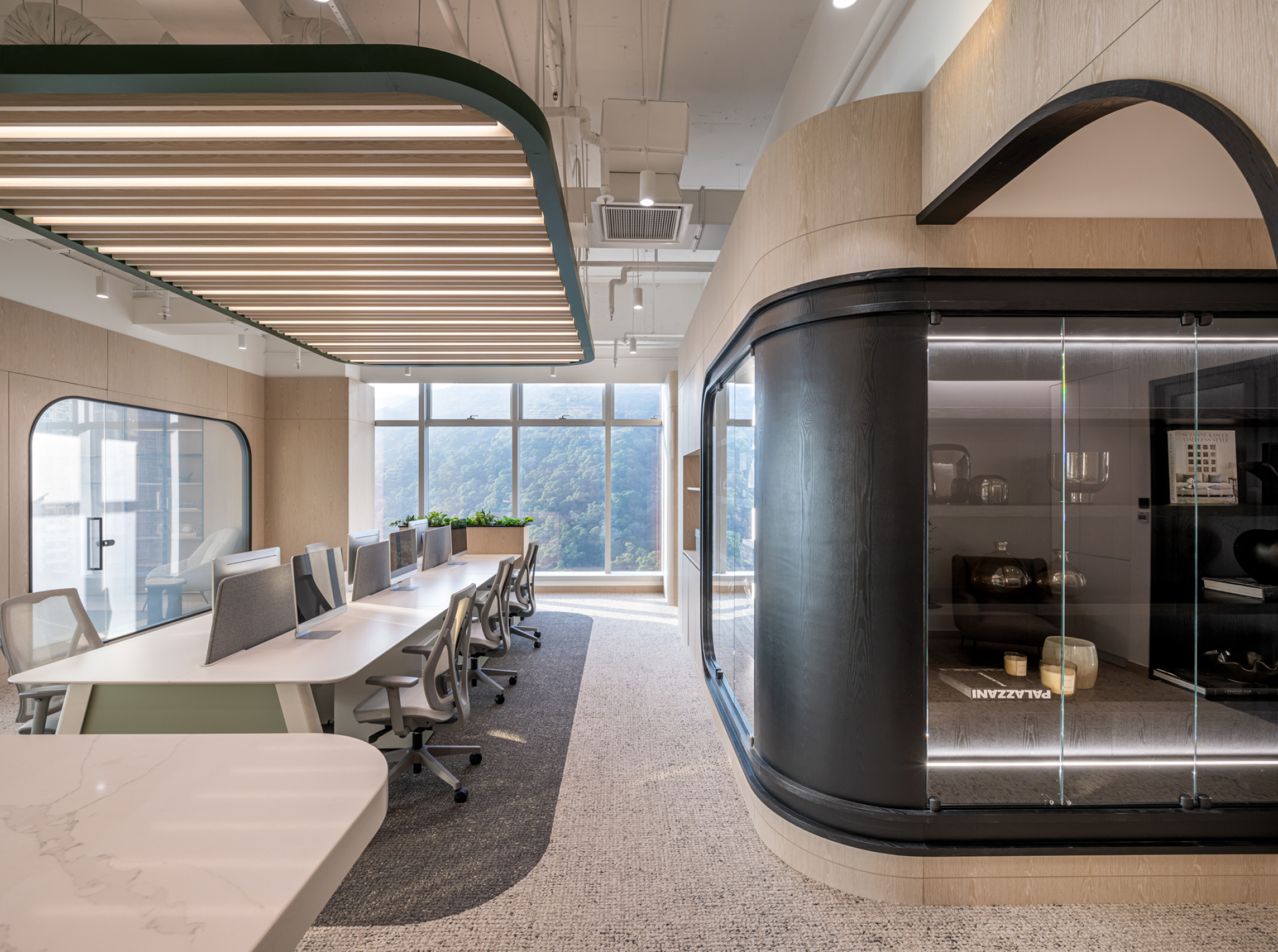
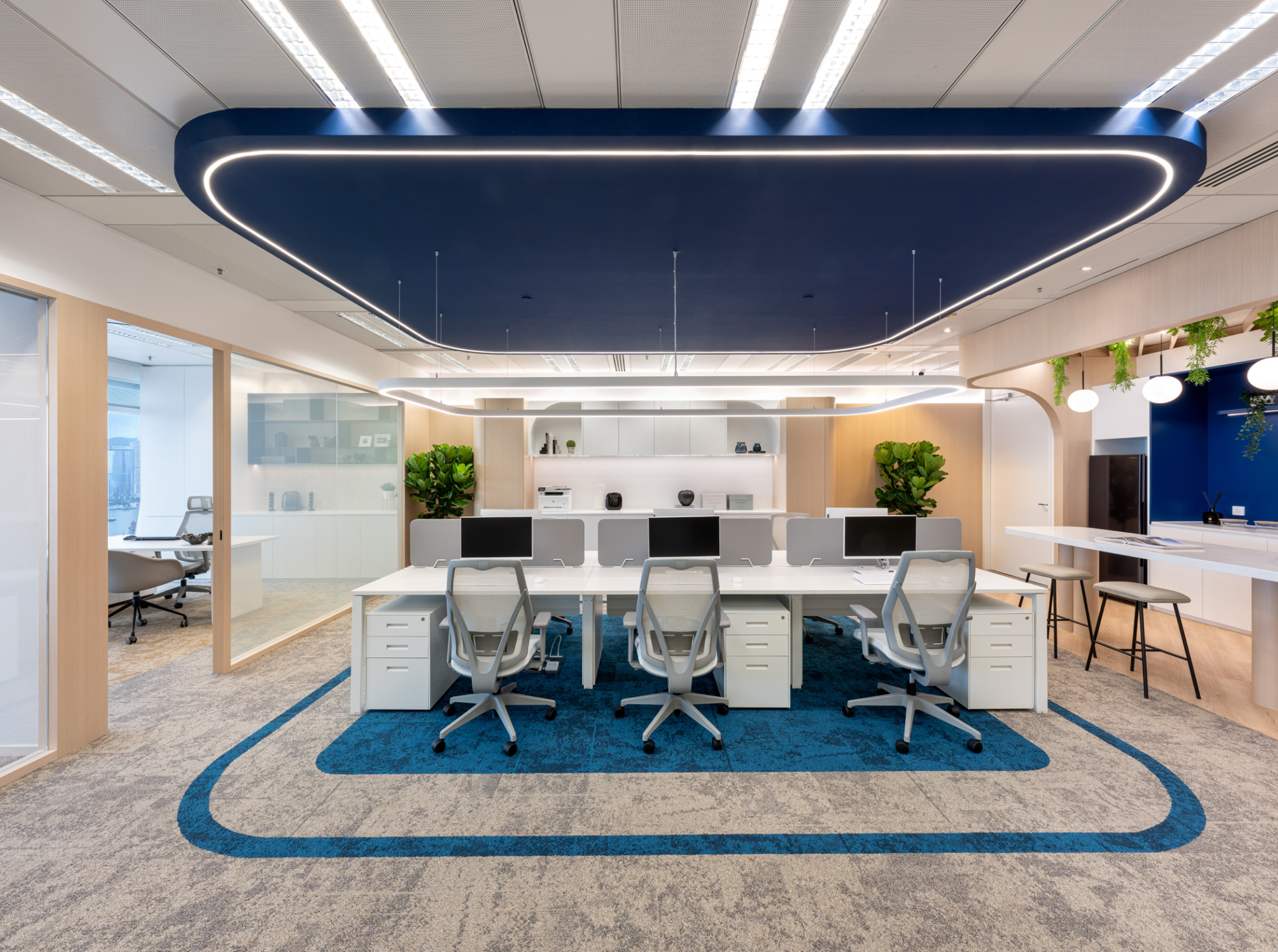
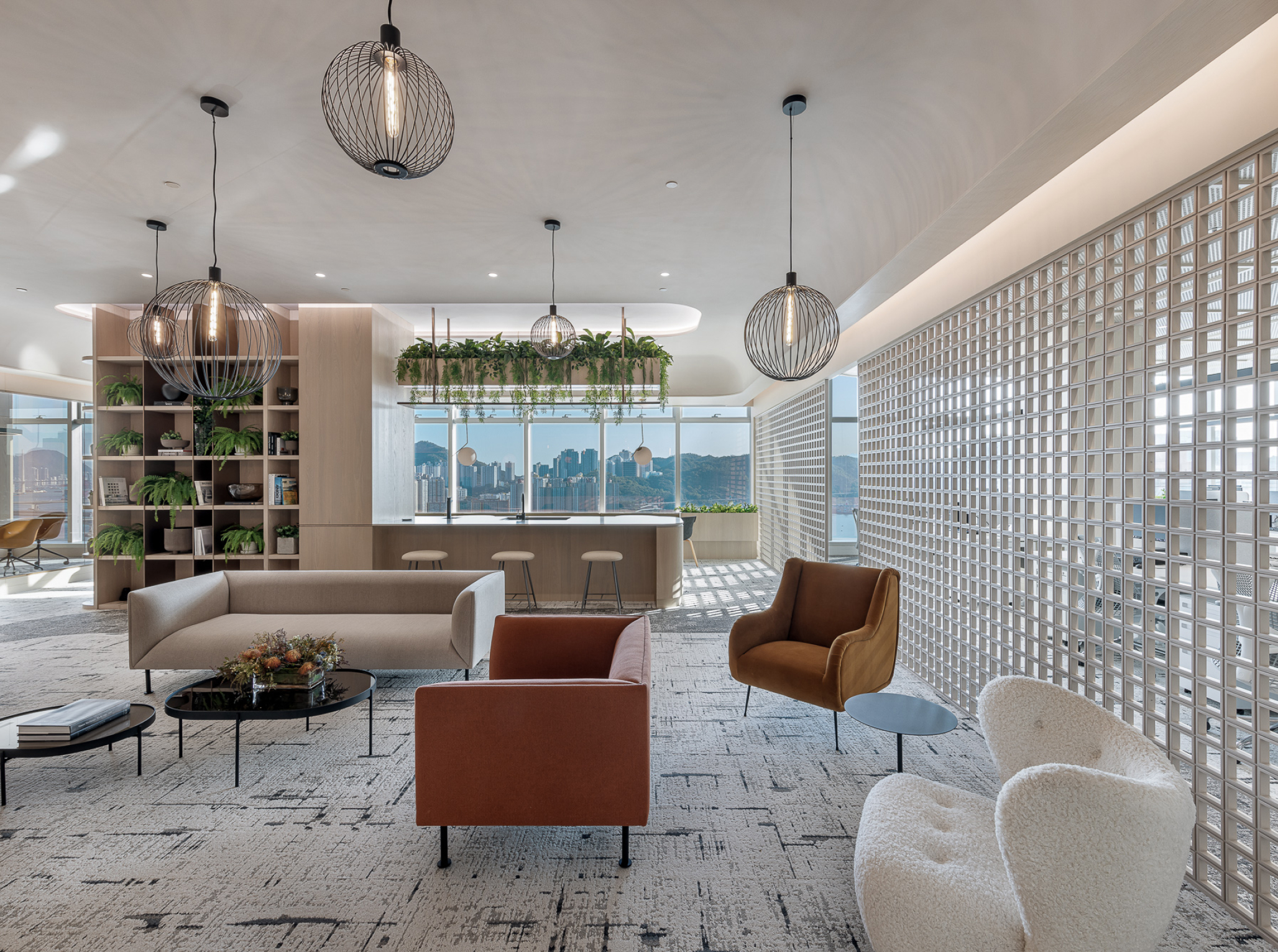
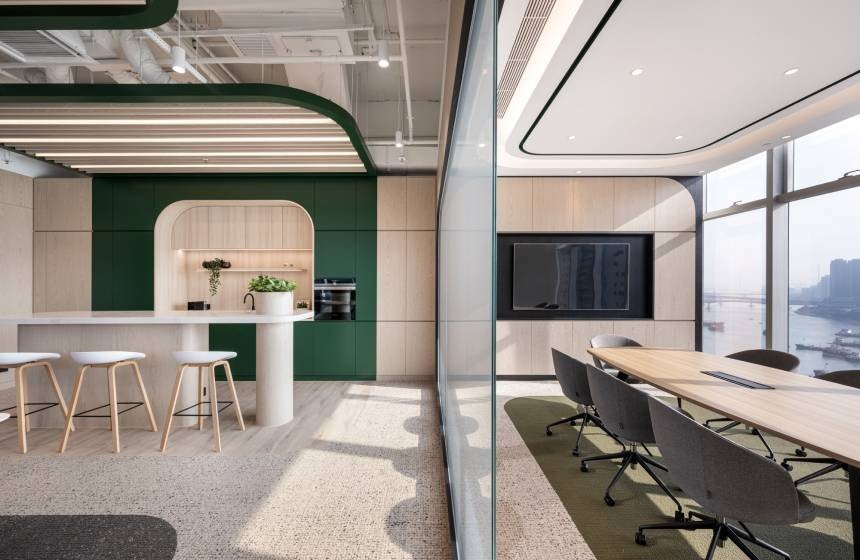
Within flexible office spaces, materials and design details play a key role in defining the atmosphere. By 2026, office interior design moves beyond conventional commercial settings, with design teams introducing more refined, design-led elements, such as textured paint finishes, residential-style wood, antique bronze steel, and marble, applied across walls, cabinetry, and feature areas to enrich the spaces. Through layered textures and material contrasts, work zones, meeting areas, and collaborative spaces are naturally distinguished without compromising openness. While maintaining a professional tone, these details reduce the sense of pressure often associated with office environments. Varied carpet textures and acoustic wall treatments are often used to clearly define functional zones without solid partitions, improving acoustic performance while reinforcing a cohesive and recognisable brand identity, which created an open-plan office that remains structured, and visually balanced.
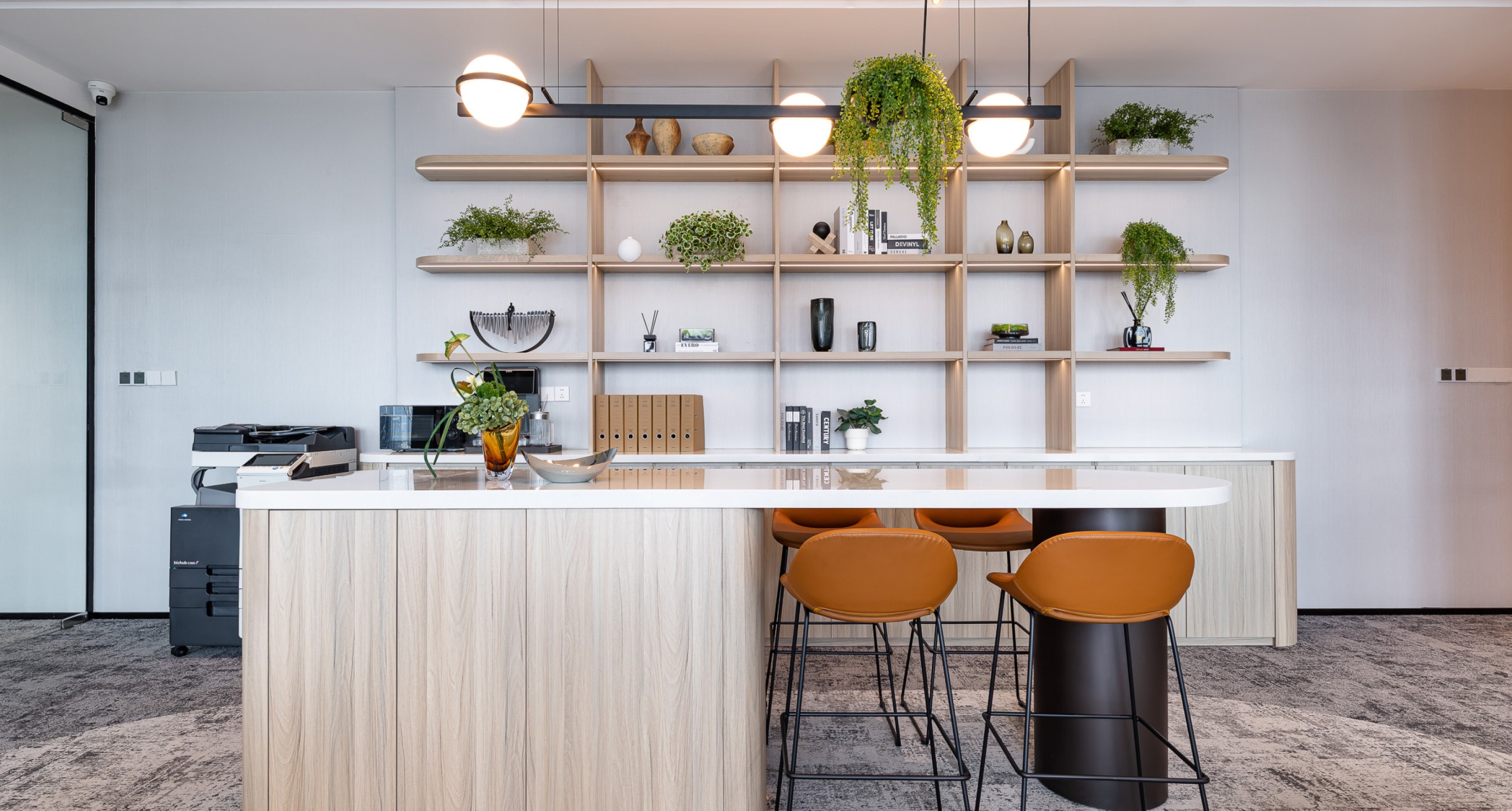
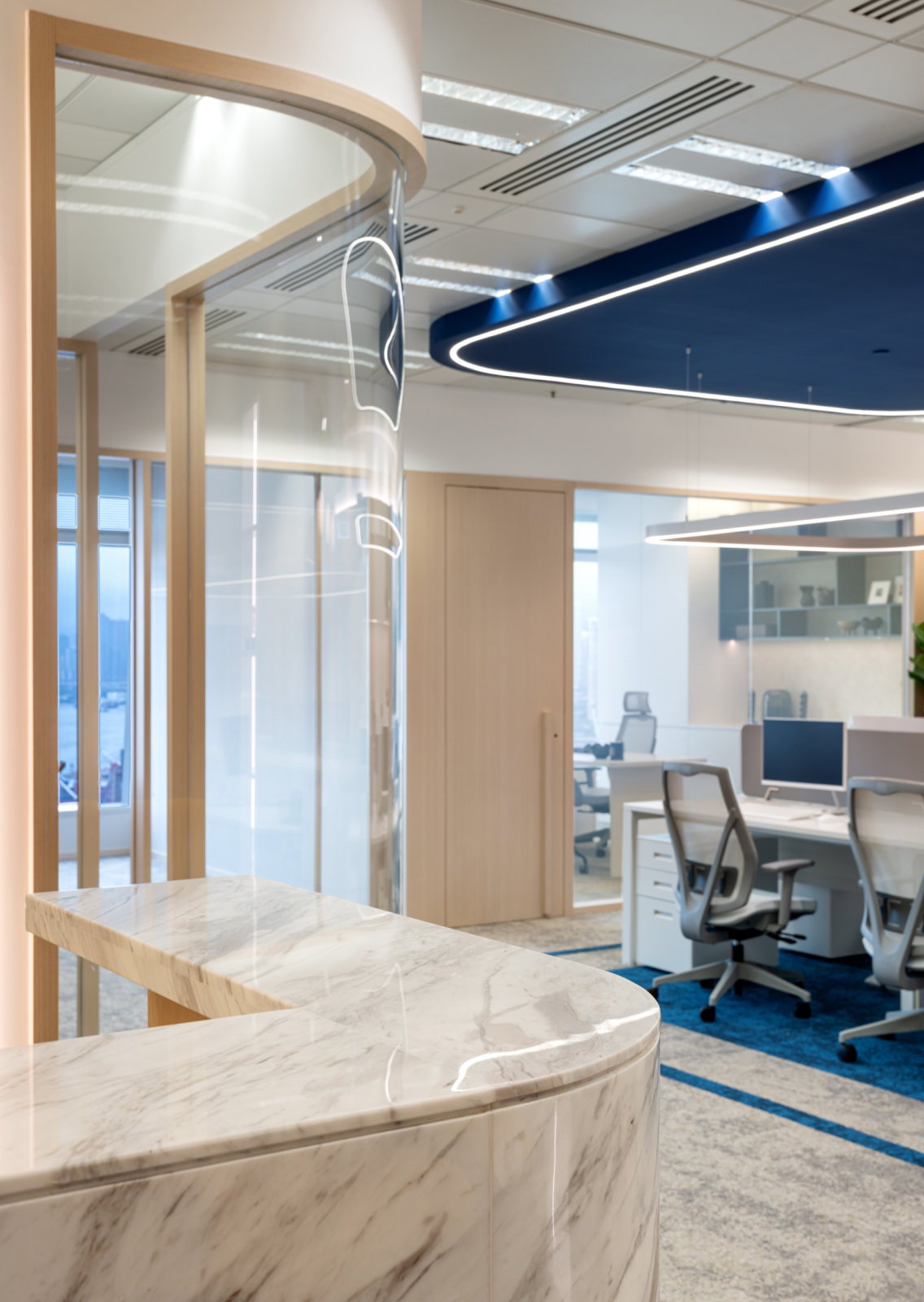
As fixed seating gives way to agile work models, how a space is used becomes a direct reflection of a company’s values and cultural mindset. Flexi-space is no longer just about efficiency, it serves as a vital bridge between corporate culture and brand identity. Even within open and adaptable layouts, a clear design language can effectively communicate brand personality. This may include creating a brand feature wall in shared areas, incorporating logos or brand stories as visual focal points, while brand-specific colours are applied across walls, furniture, and details to maintain visual consistency. Paired with customised design elements, such as signature materials, lighting concepts, or distinctive forms, the brand ethos is seamlessly woven into everyday work environments, allowing culture to be experienced rather than simply displayed.
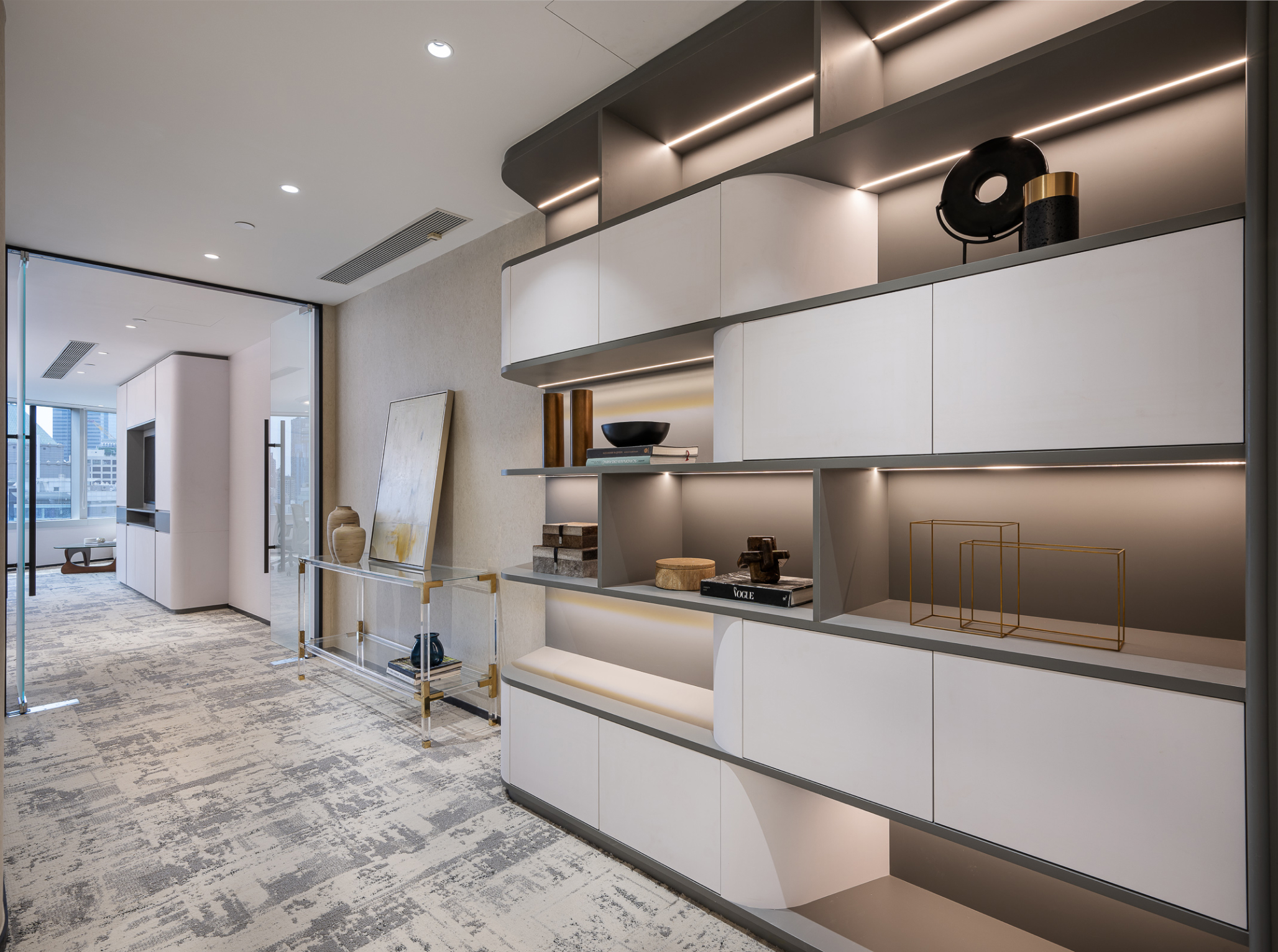
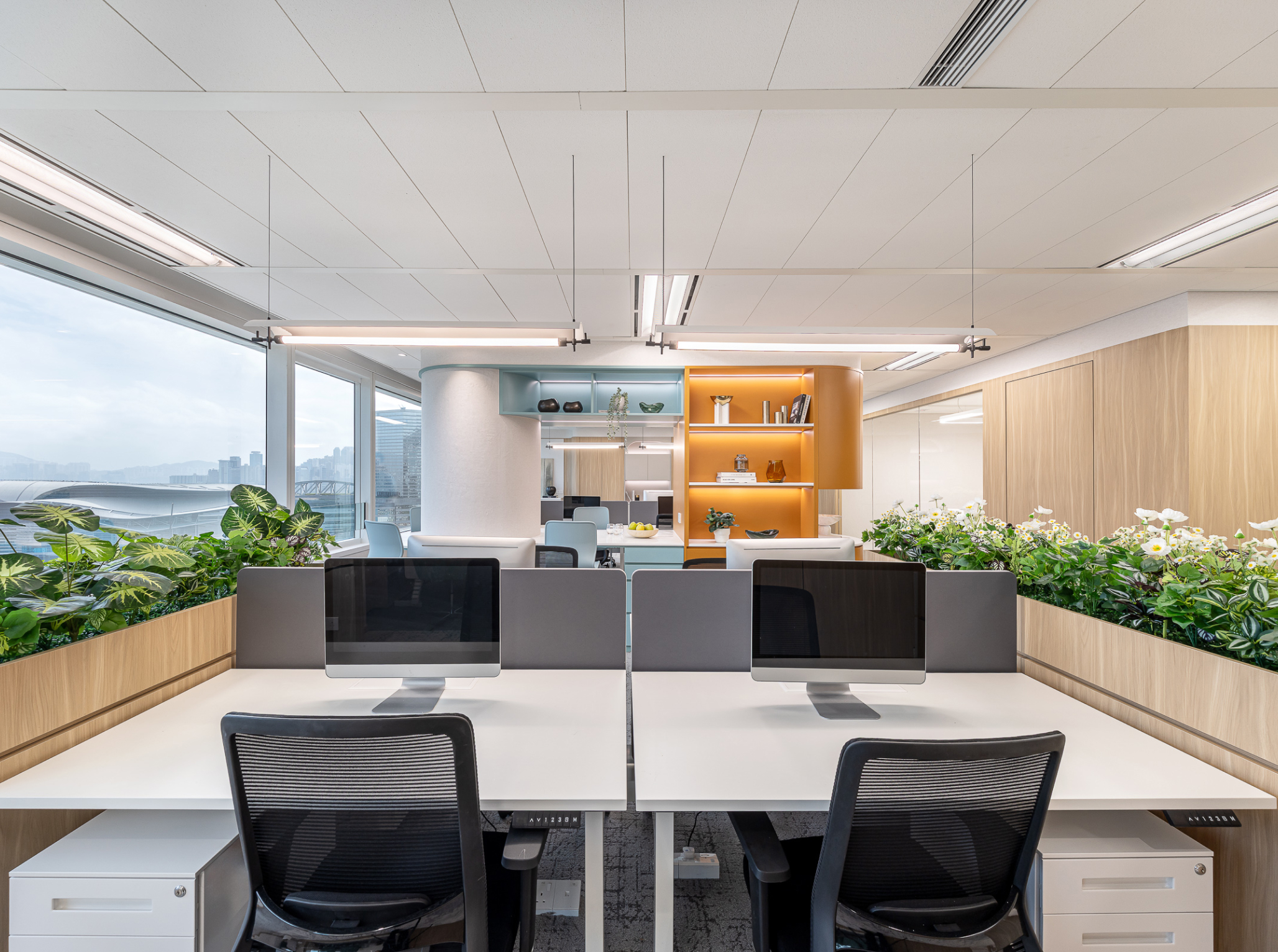
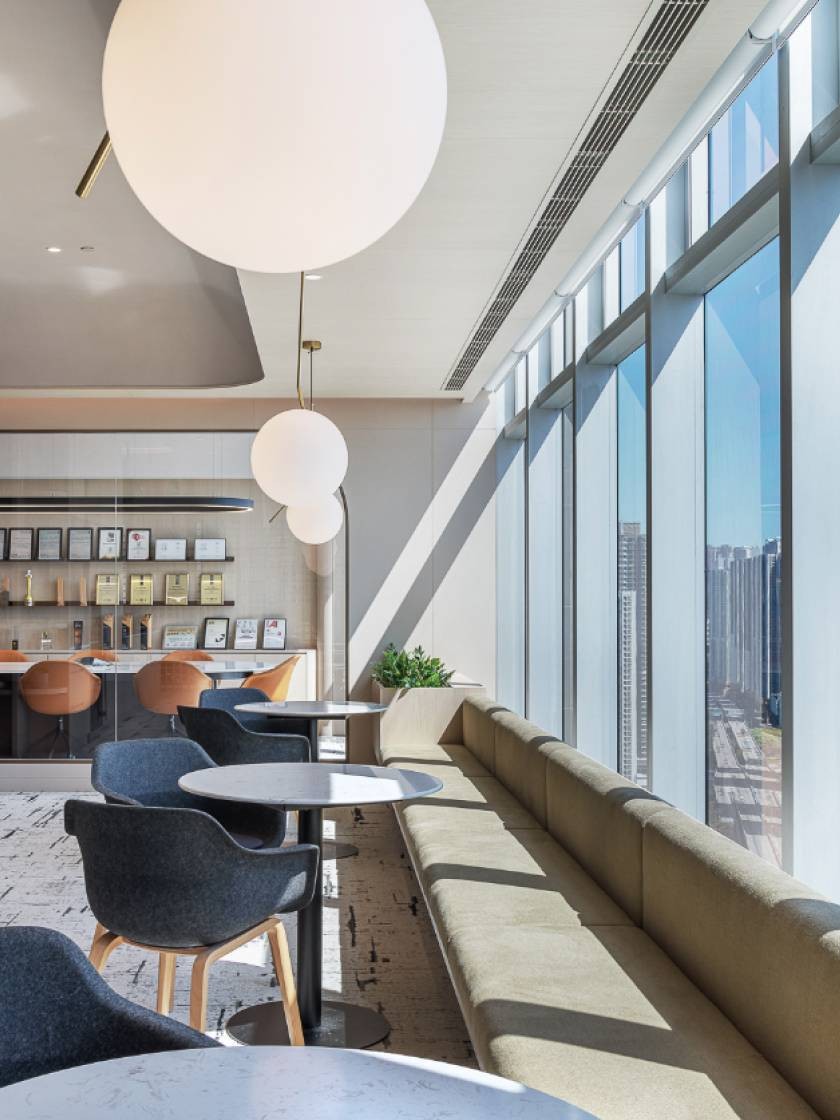
The modern office is no longer merely a place to get work done, but a setting that supports daily rhythms and human interaction. A people-centric design approach moves beyond single-function planning, using thoughtful spatial zoning to respond to employees’ needs at different moments throughout the day. Beyond primary work areas, shared desks, lounge corners, and communal spaces are introduced to allow room for conversation, rest, and brief pauses. Without overtly emphasising efficiency, the spaces subtly enhance the work experience, encouraging natural interaction and a more relaxed working rhythm. When an office accommodates both focus and moments of breathing space, it no longer feels like somewhere to escape from, but a place where one can comfortably spend the entire day, feeling at ease and unconfined.